Reviews of the first-generation Surface RT by critics ranged broadly. The hardware received mostly positive reviews, while the software and overall experience were mixed. TechCrunch, Matt Buchanan at BuzzFeed, and Gizmodo recommended against purchasing the tablet. The Surface RT had worse battery life than similar devices. If your existing Windows 10 PC is running Windows 10 20H1 or later and meets the minimum hardware specificationsit will be able to upgrade to Windows 11. The upgrade rollout plan is still being finalized, but for most devices already in use today, we expect it to be ready sometime in early 2022.

Not all Windows 10 PCs that are eligible to upgrade will be offered to upgrade at the same time. To see if your PC is eligible to upgrade, refer to our knowledge base for a list of tested systems. Once the upgrade rollout has started, you can check if it is ready for your device by going to Settings/Windows Updates. Similar to how end users are notified when updates are available in Windows 10, end users will see an indication in the notification areas of the taskbar in the bottom right, that the upgrade is available.

More information on how that is presented will be available at a later date. Additional desktop notification options may be also be added at a later date. The original Surface and Surface 2 models use Windows RT, a special version of Windows 8 designed for devices with ARM processors and cannot be upgraded to Windows 10.
However, there were several major updates made available after its initial release that include Windows RT 8.1, RT 8.1 Update 1, RT 8.1 August update, and RT 8.1 Update 3. These older, ARM-based models of Surface are not compatible with Windows 10, but received several new features including a new Start menu similar to that found in early preview builds of Windows 10. I haven't even touched upon the big changes made to the Microsoft Store, which looks cleaner and has more options, besides allowing to you use many Android apps.

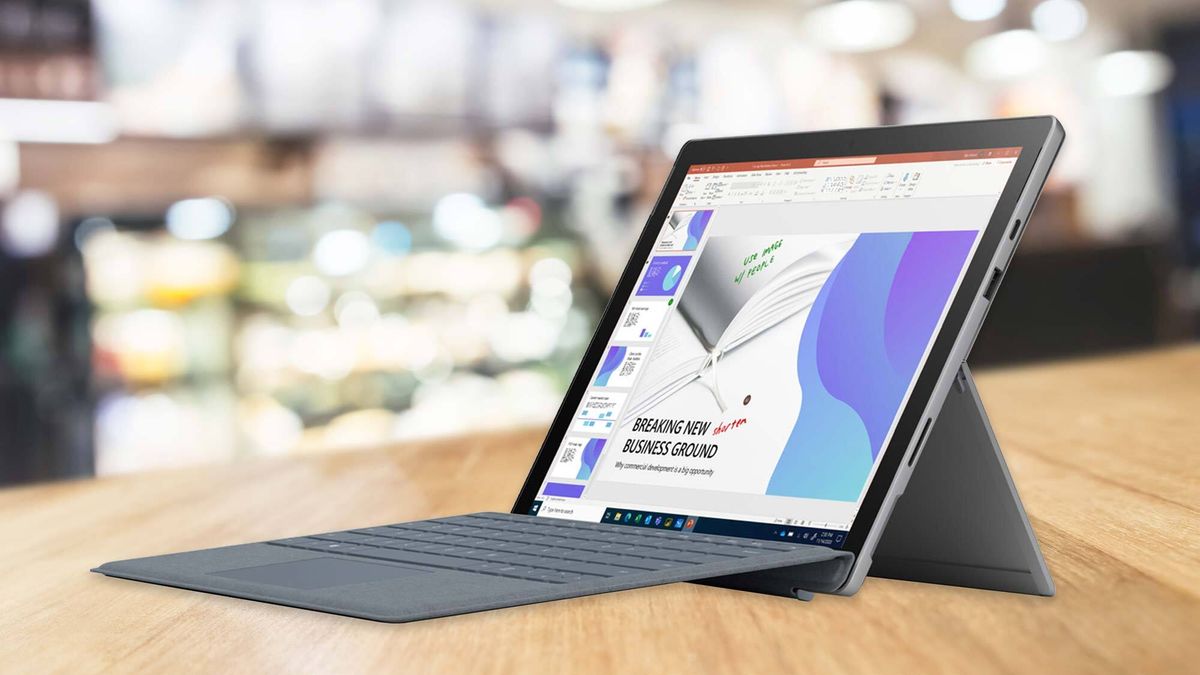
In case you are planning to upgrade your laptop, consider getting something like Microsoft Surface Pro 7, which is a good combination of touchscreen and keyboard experience. In fact, I tried to work on several programmes using touchscreen only and things worked effortlessly. That old familiarity is there and so are big updates, like on Windows 11. In the latter case, Microsoft has indicated that it is working with software vendors to ensure better compatibility. As for later models beginning with the Surface Pro 3, the N-Trig digital pen digitizer system has attained high pen compatibility with older applications thanks to a regularly updated, optional WinTab driver. Issues had also been experienced with slow Wi-Fi connectivity, and the device not properly returning from standby.

The Surface 3 (non-Pro) received generally positive reviews from computer critics. While less powerful, the Surface 3 was a lighter and cheaper alternative to the Surface Pro 3. More importantly, the Surface 3 could compete at the high-end of Android and iPad tablets, with the advantage of being a device running a full desktop OS instead of a mobile OS for a similar price. The most common downsides are relatively low battery life, slower performance compared to devices with Intel Core processors and a high price since accessories like Surface Pen and Type Cover are not included. The devices are manufactured by original equipment manufacturers, including Pegatron, and are designed to be premium devices that set examples to Windows OEMs. It comprises seven generations of hybrid tablets, 2-in-1 detachable notebooks, a convertible desktop all-in-one, an interactive whiteboard, and various accessories all with unique form factors.
The majority of the Surface lineup features Intel processors and are compatible with Microsoft's Windows 10 or Windows 11 operating system. The poor sales of the ARM-based Surface tablet had been credited to the continuing market dominance of Microsoft's competitors in the tablet market. Particularly, Apple's iPad retained its dominance due its App store offering the most tablet-optimized applications. Most OEMs opted to produce tablets running Google Android, which came in a wide variety of sizes and prices , and Google Play had the second-largest selection of tablet applications. By contrast there was a limited amount of software designed specifically for Surface's operating system, Windows RT, the selection which was even weaker than Windows Phone.

Indeed, OEMs reported that most customers felt Intel-based tablets were more appropriate for use in business environments, as they were compatible with the much more widely available x86 programs while Windows RT was not. On October 2, 2019, Microsoft unveiled the Surface Neo, an upcoming dual-screen tablet. The device is a folio with two 9-inch displays that can be used in various configurations ("postures"), including a laptop-like form where a Bluetooth keyboard is attached to the bottom screen.
The device was originally planned to run a new Windows 10 edition known as Windows 10X, which was designed specifically for this class of devices. However, Microsoft eventually discontinued Windows 10X. At this time, it is unknown which version of Windows it will run. On May 3, 2017, Microsoft unveiled the Surface Laptop, a non-detachable version of the Surface Book claiming to have the thinnest touch-enabled LCD panel of its kind. Its permanently attached hardware keyboard comes in four colors and uses the same kind of fabric as the Type Cover accessories for the tablets. The device comes with the newly announced Windows 10 S operating system, which enables faster boot times at the expense of the ability to download and install programs from the web instead of the Microsoft Store. Users can switch to a fully enabled version of Windows 10 for free.

On my Lenovo ThinkPad laptop, I was able to easily flip from TPM 1.2 to 2.0 by booting into the bios, finding the section in the bios settings — usually in security — and then changing the setting from TPM 1.2 to 2.0. For my HP desktop at the office, the process was a bit more complicated, as I had to find the exact firmware update to upgrade the computer from TPM 1.2 to 2.0. I originally attempted to use HP's TPM Configuration Utility but found a more exact match for my motherboard by reading this HP support document.

For Dell, you can follow the company's documentation or YouTube video. If it's been done successfully, your TPM module will now indicate that you've upgraded from 1.2 to 2.0. Users on Microsoft's support forum reported that some Touch Covers were splitting at the seam where it connects to the tablet, exposing its wiring. A Microsoft spokesperson stated that the company was aware of the issue, and would offer free replacements for those who have been affected by the defect. Other users reported issues with audio randomly stuttering or muting on the Surface tablet while in use. Firmware updates that attempted to fix the problem were released, but some users still reported problems like blue screen errors while watching video and crash of display driver.
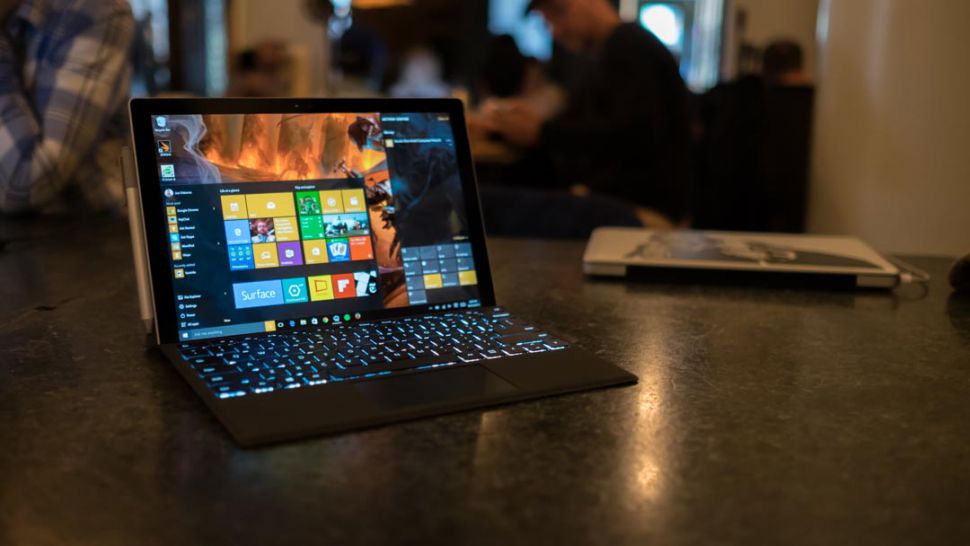
Microsoft has acknowledged a bug in the Windows key that does not always work, but has promised a fix. The latest update, which promised to fix the issue, was not able to fix it. Steve Ballmer said that like Xbox, Surface was an example of the sort of hardware products Microsoft will release in the future. There's no getting around that this is an excellent Surface tablet, but Microsoft, once again, decided not to include the all-important keyboard cover attachment to make it usable as a work device. Artistically minded users will also need to cover another hidden fee for the new Slim Pen 2 stylus.

Amidst all the buzz that has been happening around the announcement of Windows 11 and all the things surrounding it, the June 2021 firmware updates of Microsoft's Surface Pro 7 and 7+ devices got swept away a bit. For those wondering if they can run Windows 11 on Surface Pro 7 hardware, we talk about it towards the end of the article; but first, we discuss the June 2021 firmware. The update brings several critical security patches along with other fixes too.
This doesn't happen in Windows 10, and it's been a problem since I first installed the preview. I've also just recently started having issues with my LG UltraFine 5K as well. It'll go black for a few seconds every minute or two, though Windows doesn't seem to register that it's dropped off.

I get that it's a Thunderbolt display mostly made for Macs, but these issues haven't cropped up in Windows 10. Until they're gone from my test install, I'd really rather not upgrade to Windows 11 on my main partition. Other than those issues, though, it's been like using a prettier version of Windows 10. Compared to a time when even basic apps were missing for the combination of ARM and Windows, we now have dedicated versions of Chrome, Firefox, Spotify, Zoom and Adobe Photoshop, to name a few, for the ARM architecture. The apps that are meant for Intel or AMD processors need to be redesigned to run on ARM – with the expectation of better optimisations for battery life, different screen sizes and varying processing power. The new Microsoft Store on Windows 11, which has better stocked shelves than ever before, will help you download the correct app package for your Surface Pro X.
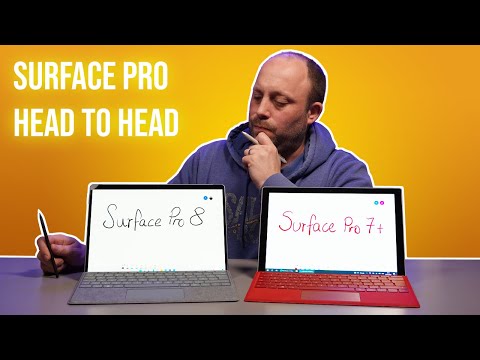
With it, Microsoft also revealed the Windows 11 system requirements, and as expected, it supports all of the modern hardware you'd expect. But when it comes to Surface devices, which go all the way back to 2012, some devices are not compatible with the upcoming OS. So I've put together a list of all consumer Surface devices and their compatibility with Windows 11 based on the released system requirements. The new Surface Pro 8 design and features seem to leave little room in Microsoft's lineup for the Surface Pro X, but Microsoft appears to remain committed to this niche product.
The company is now offering a cheaper model without LTE connectivity for $900, and notes that Windows 11 should improve app compatibility on the ARM-based Microsoft SQ2 processor thanks to support for both x86 and x64 emulation. On June 24, Microsoft announced Windows 11 as the successor to Windows 10 and made it available to testers enrolled in the Windows Insider program four days later. Since then, Microsoft has rolled out seven incremental updates containing feature changes and bug fixes. Now the company is preparing to make a final version Windows 11 available to many more customers and have device makers start selling new PCs that run the operating system. You're going to have a tougher time if you own an older PC that doesn't meet Microsoft's hardware requirements. You'll need a compatible Intel, AMD or Qualcomm processor; 4GB of RAM; and at least 64GB of storage.
Also, you'll have to enable Secure Boot and TPM 2.0 , features that should make it harder for spyware and malware to attack your OS. Microsoft's PC Health Check app can help you see if your system is ready for Windows 11. Choose Runafter the download to make sure your hardware is compatible.

Then Accept and Install to agree to the licensing terms and begin the installation. When the program is finished installing, you'll be prompted to restart your computer. Your PC might restart several times during the process of finishing the installation, so don't be alarmed. Out of the 25 Surface devices shipped so far, 13 will be eligible for the Windows 11 update. Unfortunately, if you own a Surface Pro tablet, all but the latest models will be ineligible. It boils down to any Surface devices shipped before 2017 likely won't support the Windows 11 upgrade.
Interestingly, Microsoft hasn't confirmed the Surface Hub or Surface Studio will be upgradable to Windows 11 either. With that being the case, you should really look at your options before jumping in. The Surface Pro 7 still has relatively strong specs and will be eligible for a free Windows 11 upgrade by early 2022, with a much lower starting price of $600. The smaller and more student-focused Surface Go 3 is also something to look at, with a starting price of $400 to go along with less advanced processors and worse battery life. The cheapest Go 3 has only 64GB of slower eMMC storage, which is simply not enough for a good experience on Windows even if you store media and files on a microSD card. That makes the £499 it costs for a model with an adequate 128GB of SSD storage the real starting price.
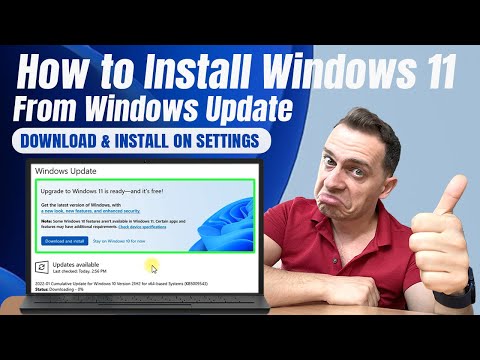
Buy it with the essential keyboard and the price goes up to £600. You can refer to our knowledge base for a list of tested systems to determine if your device eligible to upgrade to Windows -11. Many PCs that are less than four years old will be able to upgrade to Windows 11. They must be running 20H1 or later version of Windows 10 and meet the minimum hardware requirements to receive the Windows 11 upgrade. Upgrades to Windows 11 will begin to roll out late in 2021 and continue into 2022.
During this time, we will be doing some behind the scenes testing and validating for your specific PC. Windows Update will provide an indication if and when your PC is eligible. You can check to see by going to Settings/Windows Update. Microsoft said last week it will support Windows 11 when it's running on a variety of PC processors, including Intel chips manufactured as far back as 2016. The company expects all devices that meet the Windows 11 requirements to receive the free upgrade by the middle of 2022, Woodman wrote. The only computer I have that will support Windows 11 is my recently purchased Surface Pro 7.
But whenever I purchase Surface devices these days, I don't purchase them up front. Instead I sign up for the Surface All Access for Business plan that allows me to purchase them over time for 0% interest, and then when I get near the end of the term, I can turn in the device and get a newer one. Because Surface devices are extremely hard to open and service , I look to ways that allow me to swap them out for new equipment after several years. While this program is set up for businesses only, other computer vendors may provide similar offerings for lightweight laptops that cannot be easily upgraded. I've only dabbled in the Windows 11 touchscreen experience so far, but in general it feels easier to hit specific targets.
Microsoft has also made apps more responsive to touch, so it's being able to quickly expand and maximize windows feels less frustrating. You still won't mistake Windows 11 for iPadOS, but I never expected Microsoft to go that far. This new OS is simply better for laptops that have touchscreens, and it's far more usable for hybrid tablets like the Surface Pro. Windows 11 started rolling out to eligible PCs on October 5, 2021. Now, it appears that the rollout has expanded to more devices. Windows 11 is officially out, meaning millions of PC owners are free to upgrade today (as long as their computers meet Microsoft's ridiculously strict system requirements).

I've been testing a near-final pre-release version of Windows 11 for a while, and I'm here to spread the good news that my computer hasn't blown up once. Windows 11 is so far a completely non-lethal operating system, which is definitely a good sign, but maybe not enough justification to install it. To make the call on whether other PC gamers should actually install Windows 11 today, I've been spending some quality time with its new Start menu and rounded corners. Windows 11 changes that by eliminating tablet mode entirely and putting in place some new controls that actually leverage the technologies and the touchscreens on Surface devices. You'll be able to use your fingers in a more natural way to navigate your Surface.

Just swipe to see open virtual desktops, minimize apps, or perform other functions. It will now be more optimized for your fingers, rather than the mouse. Oh, and there are even more ways to multitask with your fingers, too. There's no doubt that one area where Windows always struggled was with apps. It's part of the reason that the Windows Phone ended up failing, and it's why you don't see a lot of big apps like TikTok or Snapchat in the Microsoft Store. That's also why folks don't usually detach their keyboard from a Surface Pro and use a Surface as a traditional tablet.

You have little reason to use your device as a tablet if there aren't many high-quality apps available to leverage inking, touch, or pen. Like the Surface Pro 8, this new laptop includes 11th Generation Intel Core processors with a pair of USB Type-C ports that support Thunderbolt 4. The 14.4-inch touch display can work at a 120Hz refresh rate.
Configuration options allow you to bump the standard 16 GB of RAM to 32 GB, and a 2 TB high-performance SSD. Microsoft started rolling out the Windows 10 May 2020 Update last week, and as it has been the case in recent years, the company said that the major release would roll out gradually to all compatible devices. As of today, it seems that Microsoft is proceeding very carefully as even the company's latest devices such as the Surface Pro 7 and the Surface Laptop 3 are unable to install the May 2020 update.
Microsoft Surface computers are quite common among users of the Windows operating system. It is worth mentioning that, unlike Windows cumulative updates, you cannot uninstall firmware patches on Surface devices. Fortunately, Microsoft says there are no known issues in the October 2021 firmware updates for Surface Pro 7 and Surface Studio 2. While Microsoft has implied that you'll want to upgrade to Windows 11 with these cool, unexpected Windows 11 features, it's also implied that you'll have plenty of time to keep working on Windows 10 if you'd like. Windows 10 will go out of support and into "retirement" in 2025.

Still, for a PC industry that thrives on supporting legacy devices, it's disappointing—especially if you've invested in a premium Surface device and hoped to get some more mileage out of it. "The following devices meet the minimum hardware requirements to test Windows 11 by joining the Windows Insider Program," the Microsoft representative said in a statement. Customers can use the PC Health Check app to see if their device meets the minimum system requirements, she added. When pressed for specific Surface devices that would be allowed to upgrade to Windows 11, Microsoft has confirmed only five of its legacy devices will be eligible. Microsoft is coy with an exact reason why most of its Surface devices will be ineligible for Windows 11, but the assumption is it has to do with minimum hardware requirements. The minimum hardware requirements call out the need for a TPM 2.0 coprocessor, which most legacy Surface devices lack.